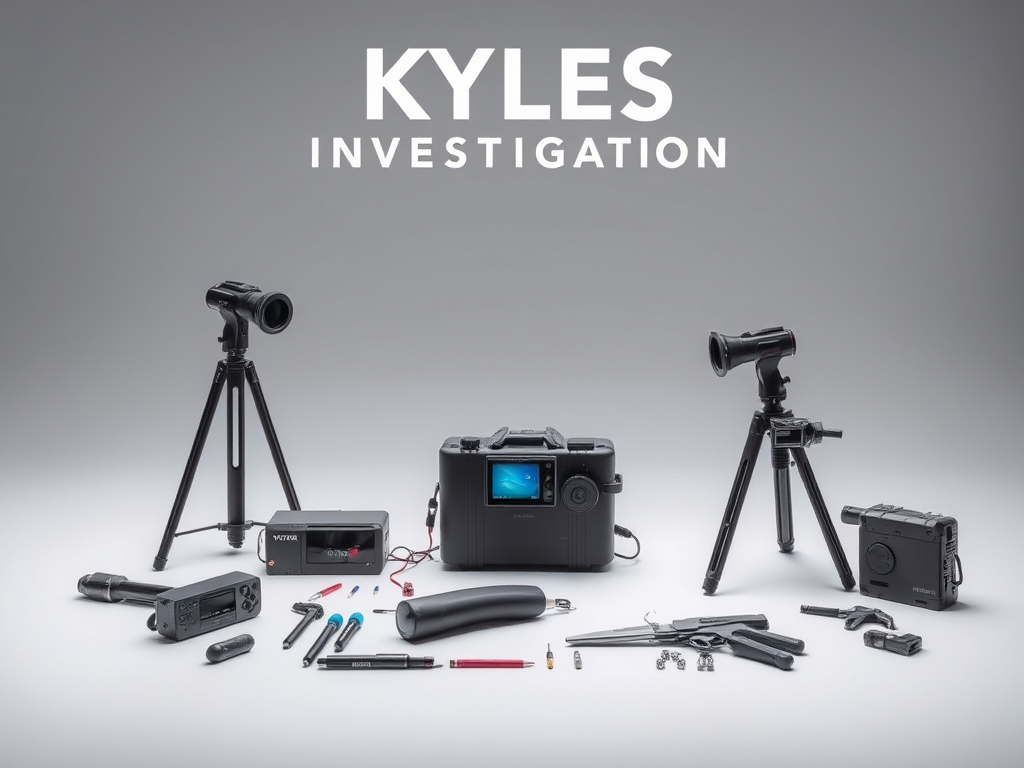
A private investigator (PI), also known as a private detective or inquiry agent, is a professional hired by individuals, businesses, or attorneys to gather information, verify claims, and uncover facts regarding legal, personal, or corporate matters. Unlike law enforcement officers, PIs operate independently and are not government employees; their primary role is to collect evidence and conduct investigations within legal boundaries to assist clients with issues such as divorce proceedings, missing persons cases, insurance fraud, and background checks.
Key aspects of the profession include:
- Services Performed: PIs conduct surveillance, interview witnesses, analyze digital footprints, perform forensic investigations, and serve legal documents. They often specialize in areas like corporate espionage, child custody disputes, or fugitive recovery.
- Legal Authority: PIs do not have the power of arrest or search warrants held by police. However, they are often less restricted by certain procedural hurdles than law enforcement, allowing them to investigate matters that police may not prioritize or are legally constrained from pursuing.
- Licensing and Training: Requirements vary significantly by jurisdiction. Many states mandate licensing, background checks, and specific training hours (e.g., California requires 6,000 hours of work experience over three years, while Florida requires 40 hours of training for an initial license). Many PIs have prior backgrounds in law enforcement or the military.
- History: The first known private detective agency was founded in 1833 by Eugène François Vidocq in France, and the Pinkerton National Detective Agency was established in the US in 1850.
Leave a Reply