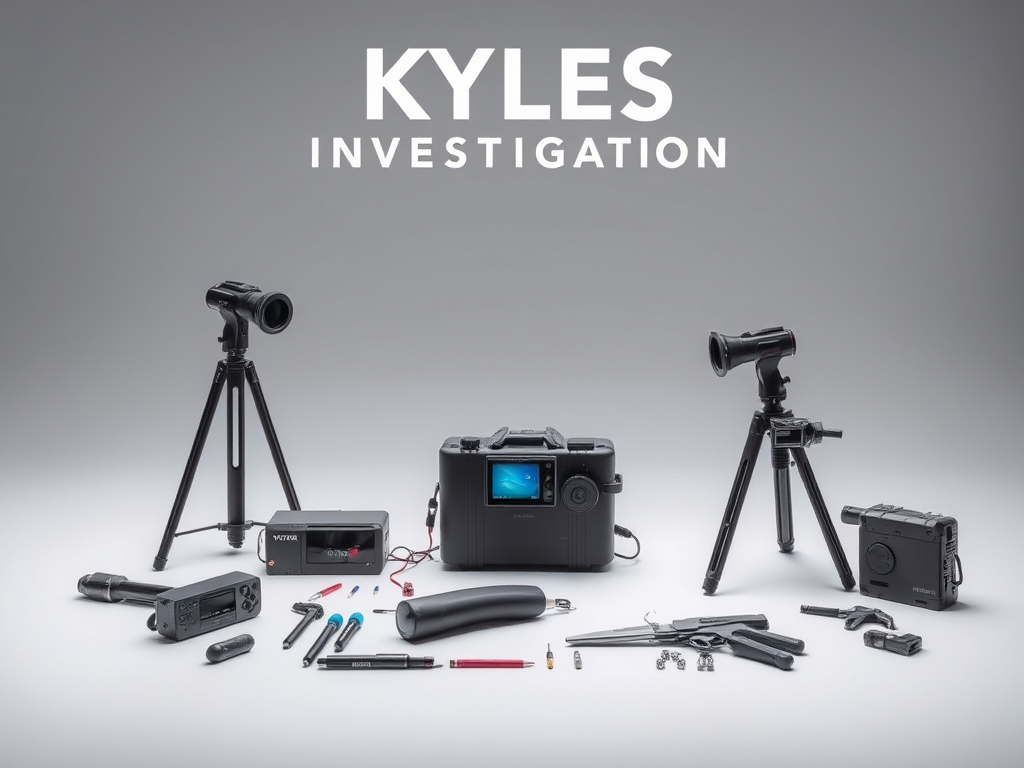
When hiring a private investigator, you should expect a structured process beginning with a confidential consultation to assess case feasibility, followed by a formal service agreement outlining legal boundaries, scope, and fee structures. The investigation itself involves methods such as surveillance, background checks, digital forensics, or asset searches, with you receiving regular updates and a comprehensive final report containing photographic evidence, activity logs, and findings that meet legal admissibility standards. Costs are typically billed via hourly rates or flat fees, and you may be responsible for additional expenses like travel, while the investigator provides support for potential court testimony if the case proceeds to litigation.
To prepare for the initial consultation, you should gather all relevant personal details about the subject, including full names, physical descriptions, photographs, and vehicle information (make, model, license plate). You must also provide significant addresses (home, work, frequent hangouts), phone numbers, and social media profiles to assist in tracking and identification. Additionally, compile any existing documents, emails, financial records, or prior correspondence that provide context to the case, and be prepared to clearly define your specific objectives and timeline expectations to help the investigator develop a tailored strategy.
Leave a Reply